
train in acupuncture

Chinese Fire Cupping

What is the difference between Fire Cupping and Dry Cupping?

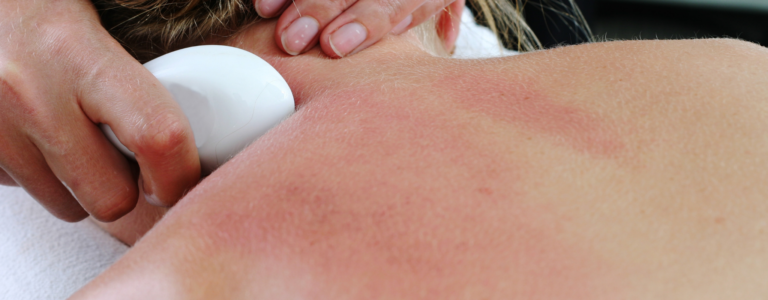
A Must-Know Guide for Aspiring Cupping Practitioners As you consider training in professional cupping therapy, it’s essential to understand the different types of cupping techniques you’ll use in practice. Two of the most widely used methods are Dry Cupping and Fire Cupping, both rooted in Traditional Chinese Medicine (TCM) and increasingly popular in holistic wellness and complementary therapies. While dry cupping is often the starting point for many students, fire cupping provides deeper, more dynamic therapeutic results. If you’re working towards becoming a certified cupping therapist, here’s why mastering fire cupping is a valuable skill to add to your toolkit. So What’s the Difference Between Dry Cupping and Fire Cupping? Both techniques use negative pressure to stimulate blood flow, release muscle tension, and support the body’s natural healing response, however, the method of creating the suction differs: Dry cupping therapy uses plastic or silicon cups and possibly a manual hand pump to create suction. Fire cupping therapy uses a flame to heat the air inside a glass cup. When the flame is removed and the cup is placed on the skin, a strong vacuum is created as the air cools. Though both approaches are effective, fire cupping typically offers enhanced therapeutic outcomes and a more holistic experience. Here’s why: 1. Stronger, Deeper Suction for Effective Muscle Recovery Thanks to the natural vacuum created by heat, fire cupping can produce deeper tissue engagement than pump-based methods. This makes it ideal for treating: Chronic pain Sports injuries Myofascial tension Postural imbalances As a student therapist, you’ll notice that fire cupping can produce quicker and more noticeable relief, especially when treating common issues like tight shoulders, stiff lower backs, or tension headaches. 2. Heat-Enhanced Circulation and Detoxification One of the key advantages of fire cupping is the added benefit of heat therapy. The warmth from the flame: Boosts blood circulation Encourages lymphatic drainage Promotes natural detoxification Helps release trapped toxins from muscles and fascia This thermotherapy effect makes fire cupping especially effective for clients dealing with poor circulation, sluggish immune function, or fatigue. 3. Calms the Nervous System and Reduces Stress Fire cupping has a soothing, almost meditative effect on the body. The combination of suction and gentle heat activates the parasympathetic nervous system, helping your clients experience: Reduced anxiety Improved sleep Lower cortisol levels Incorporating fire cupping into your practice helps you address not only physical ailments, but also emotional wellbeing, making your treatments more holistic and client-focused. 4. More Versatile and Intuitive Technique With practice, fire cupping becomes a highly adaptable technique. You can adjust: The intensity of the suction The placement of cups The use of moving cupping (also called gliding or sliding cupping) This versatility makes fire cupping perfect for customised treatment plans. You’ll be able to treat a wide range of client concerns with greater precision and creativity. 5. Rich Cultural Roots and Energy Balance Fire cupping carries with it the rich heritage of Traditional Chinese Medicine, where it’s used to balance the flow of Qi (life force energy), expel cold and damp from the body, and restore energetic harmony. For clients seeking energy healing or a more spiritual wellness experience, fire cupping adds meaningful depth to the treatment. Final Thoughts for Student Cupping Therapists While dry cupping is an excellent method for learning the basics of suction therapy, fire cupping opens up more advanced clinical possibilities. As you continue your training: Practise under supervision to develop safe and effective fire handling skills. Observe how different clients respond to both dry and fire cupping. Reflect on which techniques produce the most consistent results. Fire cupping is not just an alternative technique, it’s a transformative tool for physical and energetic healing, becoming confident in its use will elevate your practice, expand your client offerings, and give you a deeper understanding of holistic bodywork. Ready to Refine Your Fire Cupping Technique? Whether you’re currently enrolled in a cupping therapy course or exploring continuing professional development (CPD), make time to practise fire cupping regularly. Consider: Attending hands-on fire cupping workshops Watching cupping therapy demonstration videos Logging your case studies for future certification or insurance purposes Become the practitioner who blends tradition, skill, and modern wellness insight—all starting with the flame. 

What is the difference between Fire Cupping and Dry Cupping? Read More »

Choosing a career in CAM

Considerations When Choosing a Career in Complementary Therapy

Complementary and alternative medicine (CAM therapy) embraces a comprehensive healing approach, employing treatments not currently part of standard healthcare, typically in conjunction with conventional medicine. Complementary therapists often aim to restore the body’s natural balance, considering the physical, emotional, and spiritual aspects of an individual, hence the often used phrase ‘holistic’, which means ‘whole’ approach encompassing mind, body, and spirit.  This distinguishes complementary therapy from conventional medicine, which often focuses on addressing a specific aspect of a person, such as stress relief and injury prevention. Another common aspect of complementary therapy is drug-free pain relief. Often, practitioners are approached by people who wish to be seen quicker than they can in the NHS, or want to access methods that are not offered by the NHS, or not very quickly anyway, such as acupuncture, massage and even Battlefield Acupuncture. A wide array of holistic approaches, provides individuals with the opportunity to explore different therapies and find what resonates best with them.Additionally, many therapies can be synergistically combined to optimize benefits. For example, acupuncture practitioners may integrate massage intotheir practice, or personal trainers might enhance their sessions by incorporating neuromuscular release to enable them to help with muscle tensionissues while in a session with a client. This flexibility allows individuals to tailor their holistic wellness journey to their unique preferences and needs. Although some complementary therapies like physiotherapy and dry-needling acupuncture are offered within the NHS, their availability is limited. This scarcity prompts many practitioners and even nurses, to establish private practices. If you’re considering this route, you might wonder where to start. Embarking on a career in holistic therapy begins with the crucial step of selecting the specific type of therapy you intend to practice. Many professionals are drawn to a particular branch of complementary therapy based on personal benefits they’ve experienced. Alternatively, yourinterest in a specific area may motivate you to delve deeper. After determining your chosen therapy, the next essential step is to undergo the necessary training and qualification process. In the UK, most holistic therapies lack official regulation, allowing anyone to label themselves as practitioners. Understandably, this absence of regulation can impact the credibility of the profession. Hence, it becomes crucial for practitioners to obtain relevant qualifications, establishing trust with prospective clients who seek the assurance of professionalism. It’s advisable to research your specific area of interest, as different holistic approaches may have distinct training requirements. Given the limited regulations in holistic therapies, many professionals opt for voluntary self-regulation. This involves affiliating with a professional body, such as the British Acupuncture Federation (BAF), which establishes standards of practice and a code of ethics. Joining such organizations not only validates your professionalism and credibility to clients but also provides opportunities to network with fellow practitioners, stay informed about industry changes, pursue continuous professional development and get membership benefits that include discounts off essential services. While you are training, it’s good to look around at others offering similar services to yours, and see what they are charging, then come up with your own pricing structure.  This will help you, as when you start practicing, it can catch you out when someone asks you your prices for the first time! Once you have started earning money as a complementary therapist, you will need to register as self-employed with HMRC before the 5th October in the same tax year that you started earning in, arrange insurance cover including indemnity, arrange any licencing you need for your clinic, and start purchasing equipment. You will also need to start marketing your business.  Many people “hang out” on local business forums on social media, and advertise using this and a website, however one of the most powerful ways of advertising, is to offer a few heavily discounted treatments to friends, and ask them to recommend you in return.  This can be a real boost as recommendations from someone you know is the most powerful advertising there is. You will also need to consider what your membership organisation requires for CPD hours.  Some will start how many of these need to be classroombased CPD, and others will just require that you do a certain number of hours.  Remember, not all CPD is in the classroom, some you can gain by reading up about concepts that are new to you, researching into methods of other practitioners, or getting online tuition.  Some organisations may have books you can borrow, and the internet has many free resources, so CPD doesn’t have to cost the earth Engaging in a career in health therapies can be profoundly gratifying and enjoyable, offering the opportunity to equip you with the tools essential for your own personal health and well-being journey as well.

Considerations When Choosing a Career in Complementary Therapy Read More »

Shopping Basket